
Newsletter 19/2012 - Activities in brief
Environmental policies and trends discussed by European and Western Balkans parliamentarians
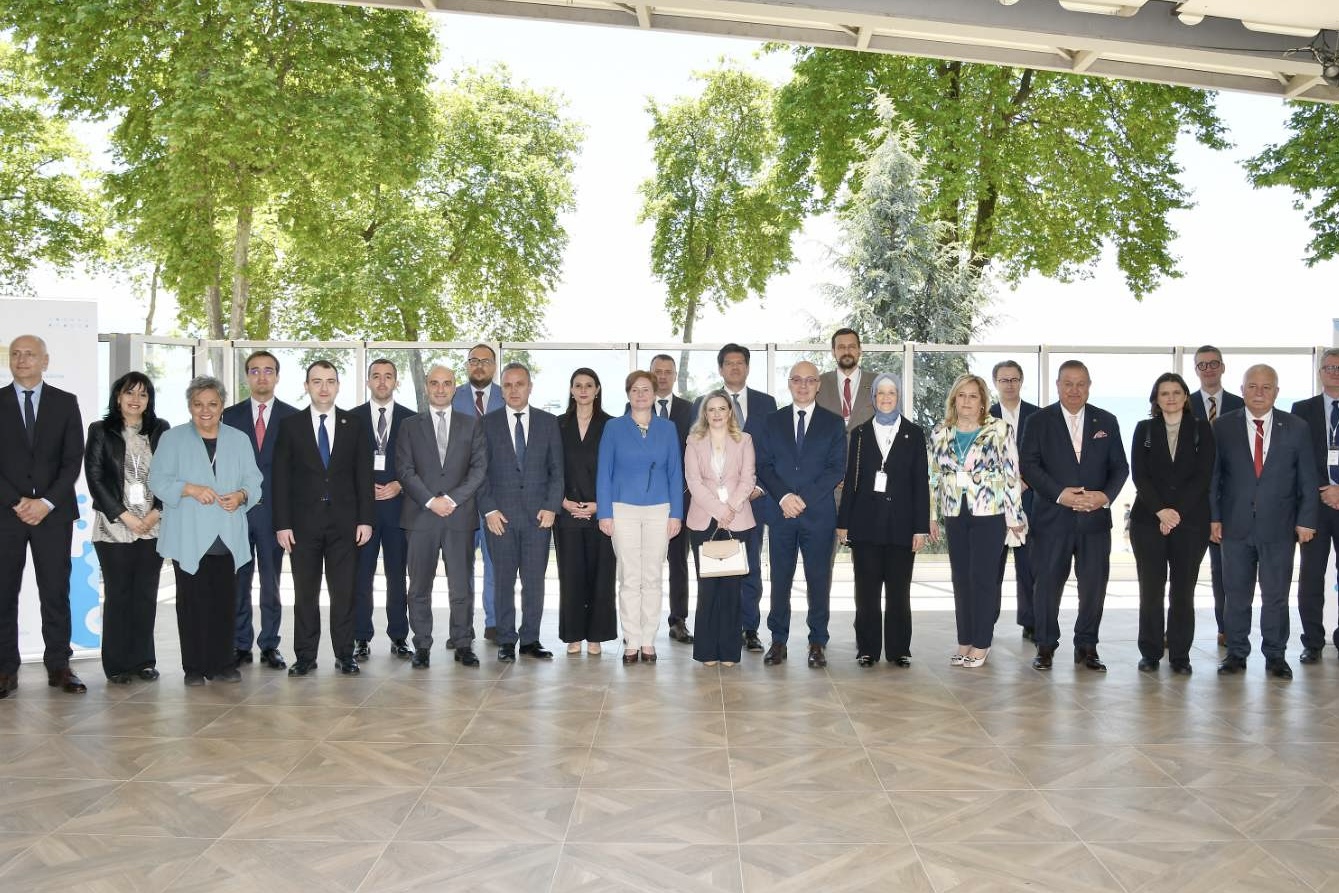
The European Union (EU) environmental policy and Western Balkans environmental trends and perspectives were topics of a two-day parliamentary seminar hosted by the Regional Cooperation Council (RCC), in Sarajevo, Bosnia and Herzegovina, on 23-24 February 2012. The event was co-organized by the RCC and the European Parliament (EP).
The topics discussed at the seminar included the EU Environmental Policy and the environmental aspects of its Strategy for the Danube Region, activities of the RCC Secretariat in aligning climate change and sustainable development objectives towards low-carbon economy, as well as the current state of transposition and implementation of the EU environmental and climate acquis communautaire in Western Balkans.
Opening addresses were delivered by Jelica Minic, Deputy RCC Secretary General, and Jelko Kacin, Member of the EP’s Committee on Foreign Affairs and Vice-Chair of the Delegation for relations with Albania, Bosnia and Herzegovina, Serbia, Montenegro and Kosovo.
While opening the event Minić expressed her satisfaction with willingness of the European parliamentarians to present their experiences to parliamentarians of the Western Balkans.
”By discussing
environmental challenges that the region faces, we wish to enable
parliamentarians to deal with adoption of the legal and institutional framework
that will preserve natural heritage of the region and the EU.”
Minic underlined that the environmental protection is one of the most difficult issues in negotiations of the candidate countries with the EU, and that the Parliaments of the countries from the region would need to pass adequate laws and standards.
Kacin highlighted that it was high time for the Western Balkans region to start seriously discussing environmental issues.
"When the environment protection is concerned, we are all at the same boat and only cooperation, coordination and operation capabilities ensure that the region moves more successfully towards the EU.”
The meeting brought together members and officials from Western Balkan parliaments and EP members.
![]()
RCC marks its 4th anniversary with panel discussion, ‘From ownership to responsibility: Regional cooperation in South East Europe and EU membership’
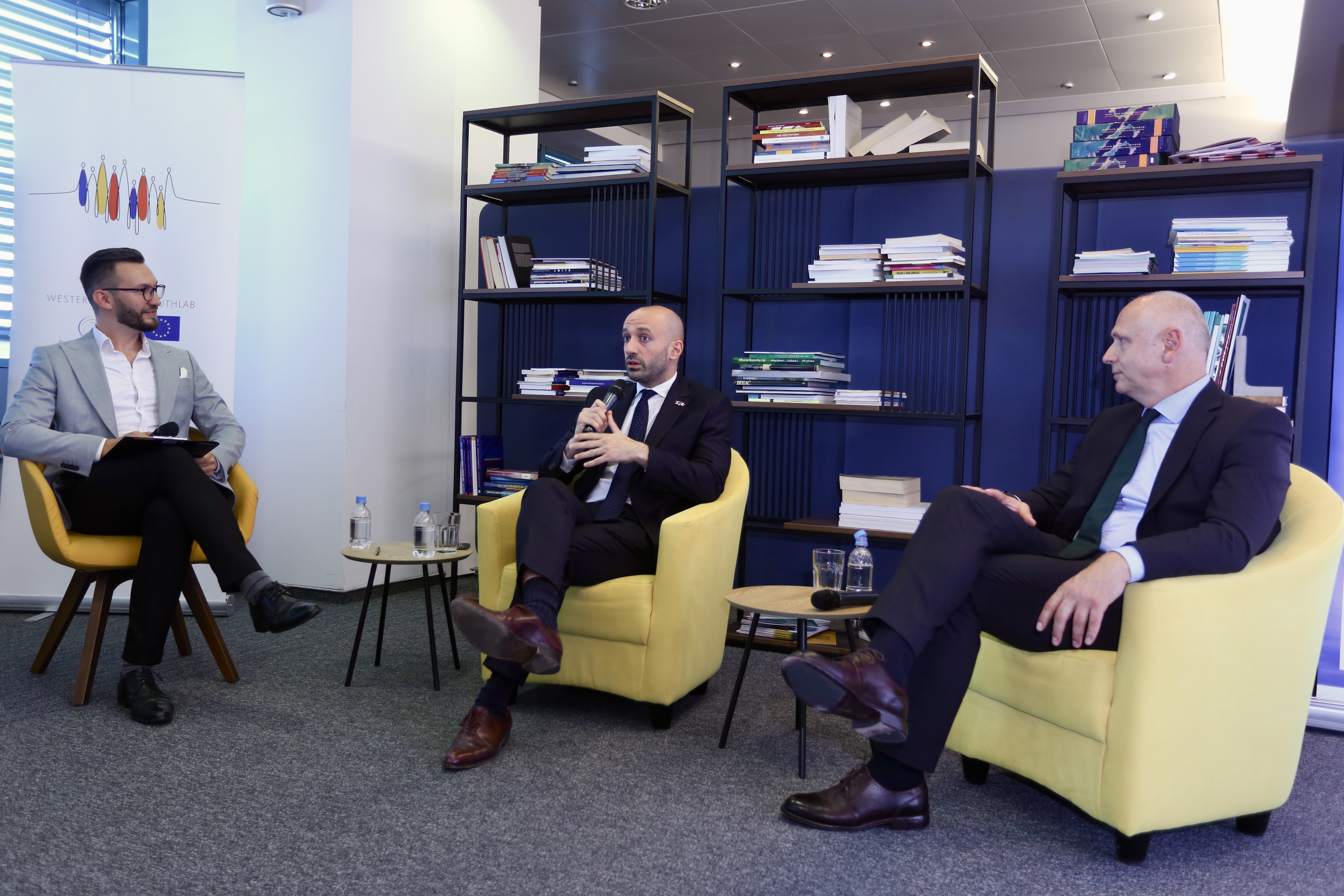
The Regional Cooperation Council (RCC) marked the fourth anniversary since its establishment by a panel discussion ’From ownership to responsibility: Regional cooperation in South East Europe and EU membership’, held in Sarajevo, Bosnia and Herzegovina, on 14 March 2012.
The anniversary event discussed prospects of further strengthening of regional cooperation, including the necessity to assume greater responsibility, as well as EU enlargement policy and the future role of the Regional Cooperation Council in this respect.
The panellists included: Hido Biscevic, RCC Secretary General; Peter Sorensen, Head of European Union Delegation to Bosnia and Herzegovina; Dusko Lopandic, Assistant Minister of Foreign Affairs of Serbia; Franz Kaps, Member of the Southeast Europe Association; and Azra Hadziahmetovic, Professor at the Sarajevo Faculty of Economy, and Member of the Bosnia and Herzegovina Parliamentary Assembly.
The event gathered around 100 partners and supporters of the Regional Cooperation Council from South East Europe and Brussels and representatives of the media.
The RCC was officially launched at the meeting of the Ministers of Foreign Affairs of the South-East European Cooperation Process (SEECP) in Sofia, on 27 February 2008, as the successor of the Stability Pact for South Eastern Europe.
![]()
The first meeting of the Regional Cooperation Council’s Board in 2012 held in Sarajevo
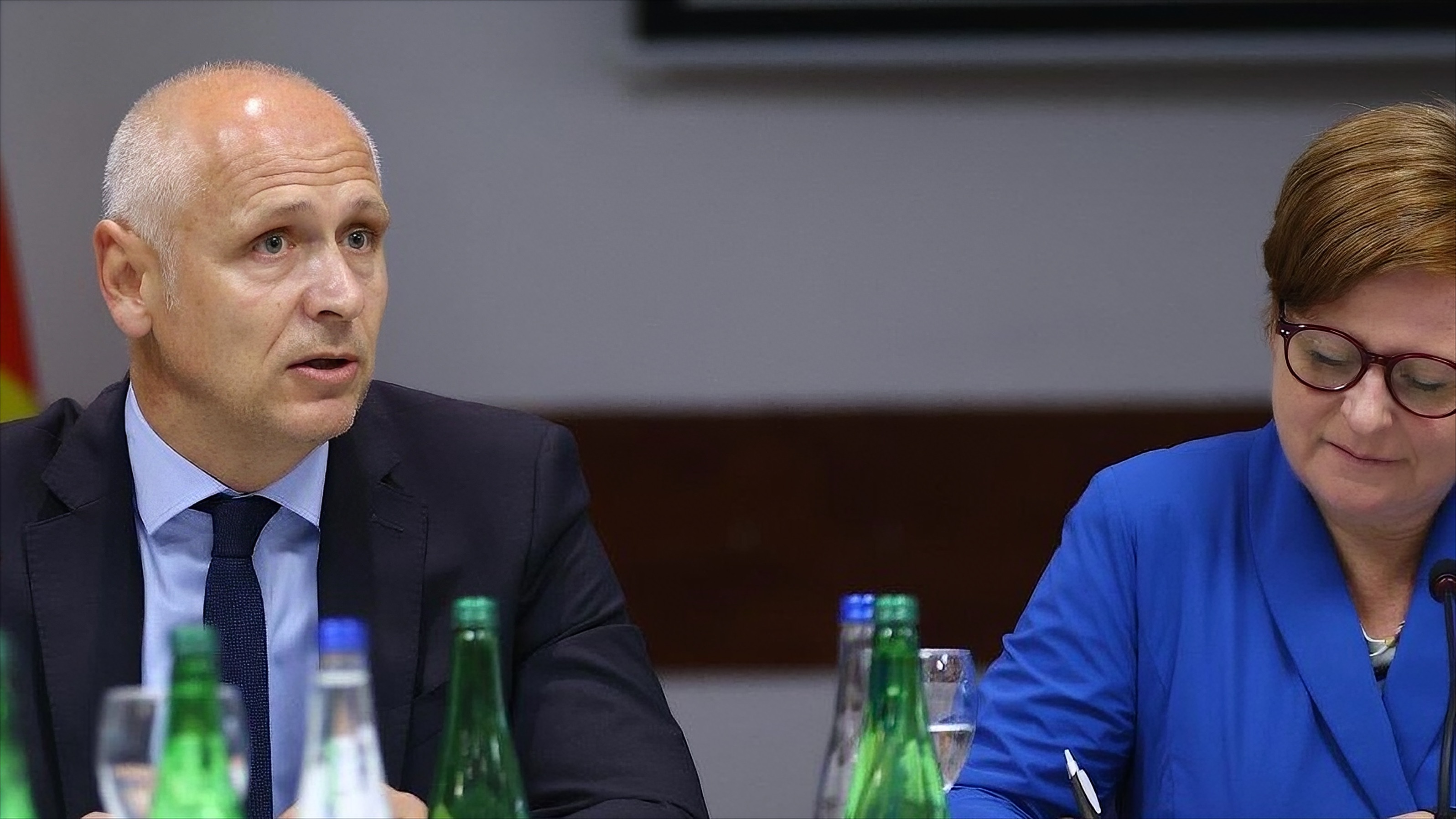
RCC Secretary General Hido Biscevic presented the preliminary findings of the of the assessment of the first year of implementation of the Regional Cooperation Council (RCC) Strategy and Work Programme 2011-2013 to the members of the Board as well as the report on activities of the organisation’s Secretariat in the period December 2011-February 2012. He also informed on the work planned for the next three months.
The Board members were briefed about the transfer of the South East Europe Investment Committee from the Organisation for Economic Co-operation and Development (OECD) to the RCC at the end of 2011, in a sign of a major recognition of a growing RCC significance in the region and its role in strengthening regional ownership and responsibility.
A Coordination Meeting between the South-East European Cooperation Process (SEECP) Troika (Montenegro, Serbia and The Former Yugoslav Republic of Macedonia), the RCC Secretariat and the European Union, that took place a day earlier, on 14 March 2012, discussed cooperation and coordination of activities of the Serbian SEECP Chair-in-Office and the RCC Secretariat, as well as the process of streamlining of regional initiatives and task forces in South East Europe.
The RCC Board meets quarterly and is chaired by the RCC Secretary General. The Board provides the RCC with operational guidance and supervision. It consists of those RCC members contributing to the budget of the RCC Secretariat as well as the European Union.
![]()